Are Dental Implants Permanent?
Dental implants are designed to permanently replace missing teeth. Many patients ask if implants truly last. In most cases, they can and will - dental implants can work for decades and often for a lifetime if properly maintained.
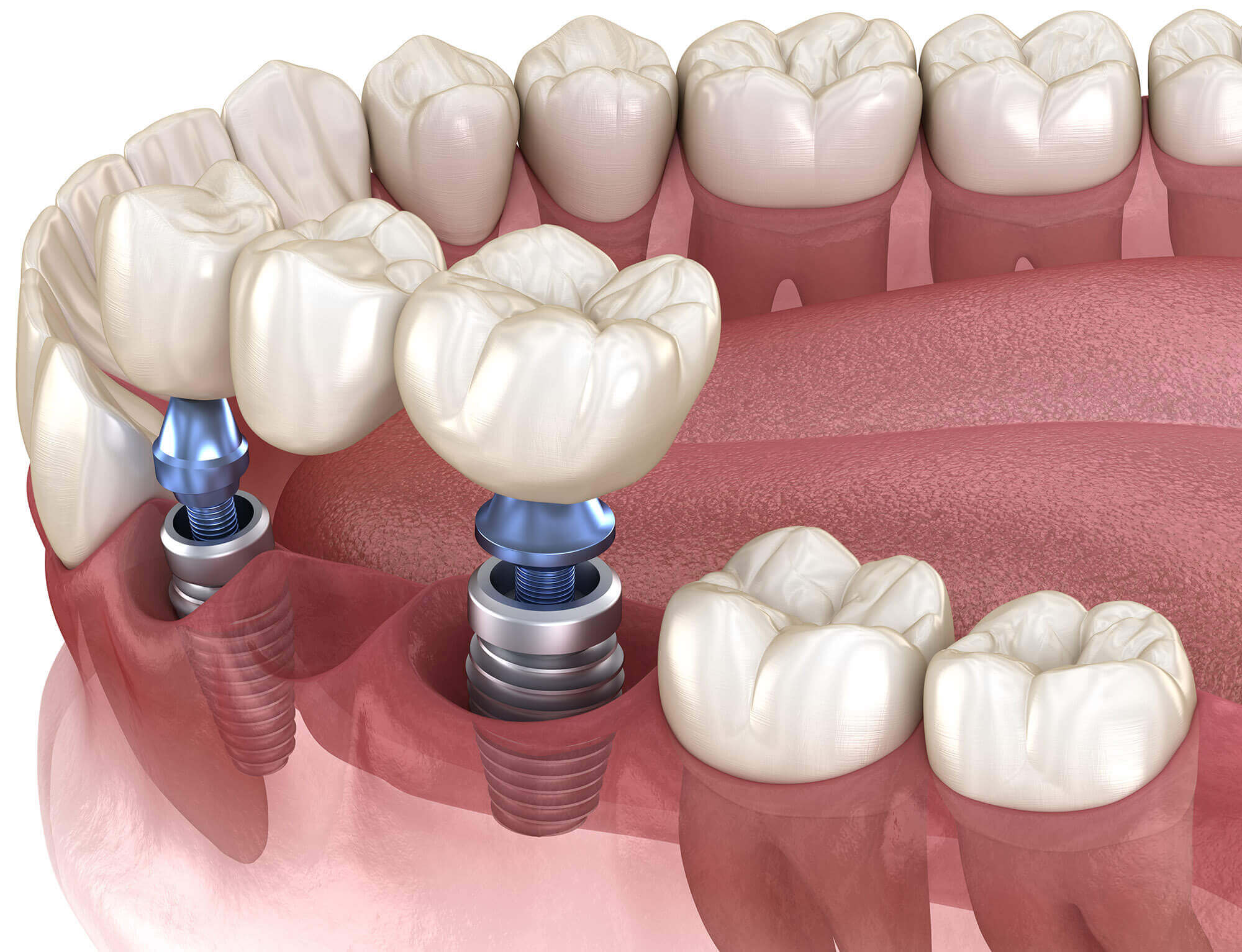
Dental implants include a small post that acts as an artificial tooth root and a crown that serves as the artificial tooth. The root is made of a strong material such as titanium or zirconia that works well with the body and will not break down over time. Because the implant integrates with the jawbone, it provides a level of stability that other tooth replacement systems, such as dentures or bridges, are not able to match. With implants, you can chew, speak, and smile with confidence.
How Dental Implants Work
The process begins with a detailed exam with Dr. Painter. He carefully evaluates bone density, gum health, and overall oral health to determine if implants are the right option for you.
Once appropriate treatment has been planned, the implant post is placed in the jawbone. Over several months, the bone will naturally fuse to the implant through a process called osseointegration which creates a strong and stable foundation for the final restoration.
After healing, a connector called an abutment is placed on the implant. A custom dental crown is then attached, made to match the shape and color of your existing teeth.
What Helps Dental Implants Last
Several factors contribute to successful long-term results. Planning and placement are crucial for success. However, a patient's health and lifestyle habits are also important.
Factors that support implant success include:
- The health and density of the jawbone
- Careful surgical placement by a skilled dentist
- Healthy gums and good overall oral health
- Managing medical conditions that affect healing
- Daily oral care at home
Daily Care Matters
Dental implants require consistent care, just like natural teeth. Good hygiene is essential in keeping healthy gums and bone that support your dental implant.
To protect your implants:
- Brush and floss every day
- Use a water flosser daily around the site of the implant to remove debris
- Use an antimicrobial rinse if recommended
- Visit your dentist for regular checkups and cleanings
- Contact your dentist if you experience swelling, bleeding, or pain
These regular checkups allow your dentist to check on your dental implant's health and catch small problems before they escalate.
Dr. Painter’s Approach to Implant Care
Dr. Painter understands that every patient is different. He provides personalized attention to each patient to ensure that their treatment meets their individual needs according to their oral health, bone structure, and long-term goals.
Patients also receive clear guidance on how to care for their implants at home. With proper planning, careful placement, and consistent maintenance, dental implants can provide reliable, long-term tooth replacement.
Schedule a Consultation
If you are thinking of getting a dental implant or want to learn if a dental implant is suitable for you, please complete our dental implants survey, or call our office at (260) 232-0280.